


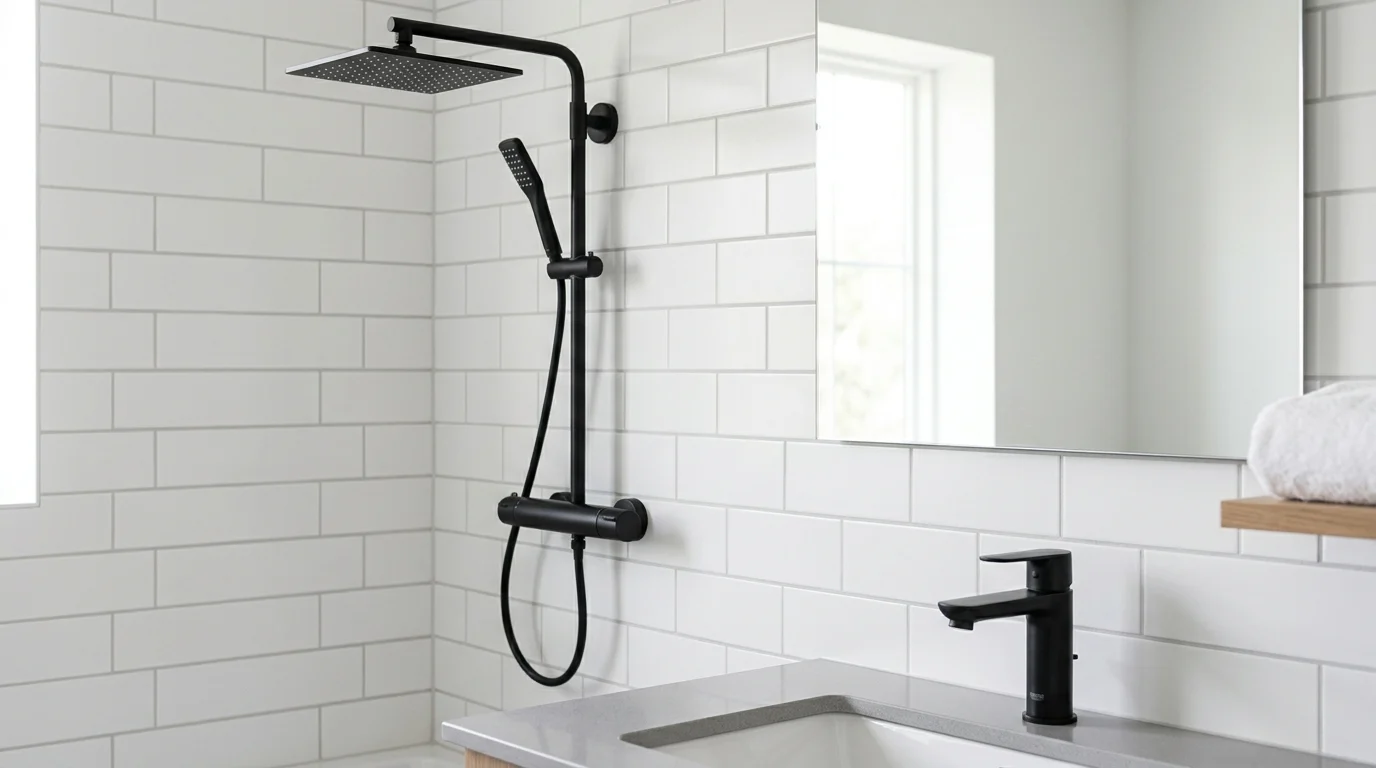
Bathroom Hardware may look like a finishing detail, but in daily use it operates under some of the harshest conditions inside a building. Steam, standing moisture, thermal cycling, and aggressive cleaners can quickly expose weaknesses in hinges, clamps, handles, and faucet components. For manufacturers, importers, and project buyers,corrosion resistance is directly tied to service life, safety, warranty costs, and brand reputation. This article explains how corrosion develops in shower and faucet fittings, why humidity and cleaning chemistry matter, and what material and finish choices help hardware maintain both structural performance and a clean appearance over years of use.
Why Corrosion Resistance Matters for Bathroom Fittings
Bathroom Fittings operate in one of the most aggressive indoor environments found in residential and commercial architecture. Daily exposure to fluctuating temperatures, dense water vapor, and harsh chemical agents creates an ideal catalyst for rapid metal oxidation. For manufacturers, distributors, and importers ofshower enclosures and faucets, specifying highly corrosion-resistant hardware is not merely an aesthetic preference—it is a critical determinant of product lifecycle, user safety, and long-term brand reputation. Failing to address these environmental stressors leads to premature hardware failure, tarnishing brand perception and driving up warranty replacement costs.
How corrosion affects shower hardware
When shower hinges, glass clamps, and Door Handles lack adequate protective barriers, localized galvanic corrosion and pitting rapidly degrade the metallic substrate. This degradation directly compromises the structural integrity of heavy architectural features, such as frameless glass enclosures. For example, a compromised hinge supporting a standard 3/8-inch (10mm) or 1/2-inch (12mm) tempered glass door can experience critical mechanical failure if internal corrosion weakens the load-bearing pivot pins or fastening mechanisms.
Field-installation risks further compound these issues. Mixed-metal contact between fasteners and hinges can induce galvanic corrosion, while coating breaches at threaded holes or cut edges remain common field failure modes. Beyond the immediate structural and safety risks, surface oxidation causes blistering, flaking, and discoloration. These visible defects prompt immediate warranty claims, particularly in high-traffic commercial hospitality projects where pristine bathroom aesthetics are strictly mandated by facility operators.
Key risks from moisture, humidity, and cleaning chemicals
The bathroom microclimate routinely reaches relative humidity levels exceeding 90%, paired with ambient temperatures fluctuating rapidly between 20°C and 40°C during and after shower use. This constant thermal cycling accelerates moisture penetration into even the most microscopic surface defects.
Furthermore, modern bathroom maintenance involves aggressive chemical cleaning agents that act as severe corrosives. Acidic descalers designed to remove hard water stains often drop to pH 2.0, while highly alkaline bleach-based disinfectants can reach pH 12.0. These chemical extremes strip away inferior protective coatings. Additionally, the use of abrasive cleaning tools can physically damage delicate passivation layers, bridging the gap between laboratory testing conditions and actual field longevity. If the hardware lacks a robust passivation layer or high-grade electroplating, these cleaning agents quickly initiate substrate oxidation, manifesting as unsightly white rust on zinc components or red rust on ferrous alloys.
Materials and Finishes That Improve Durability
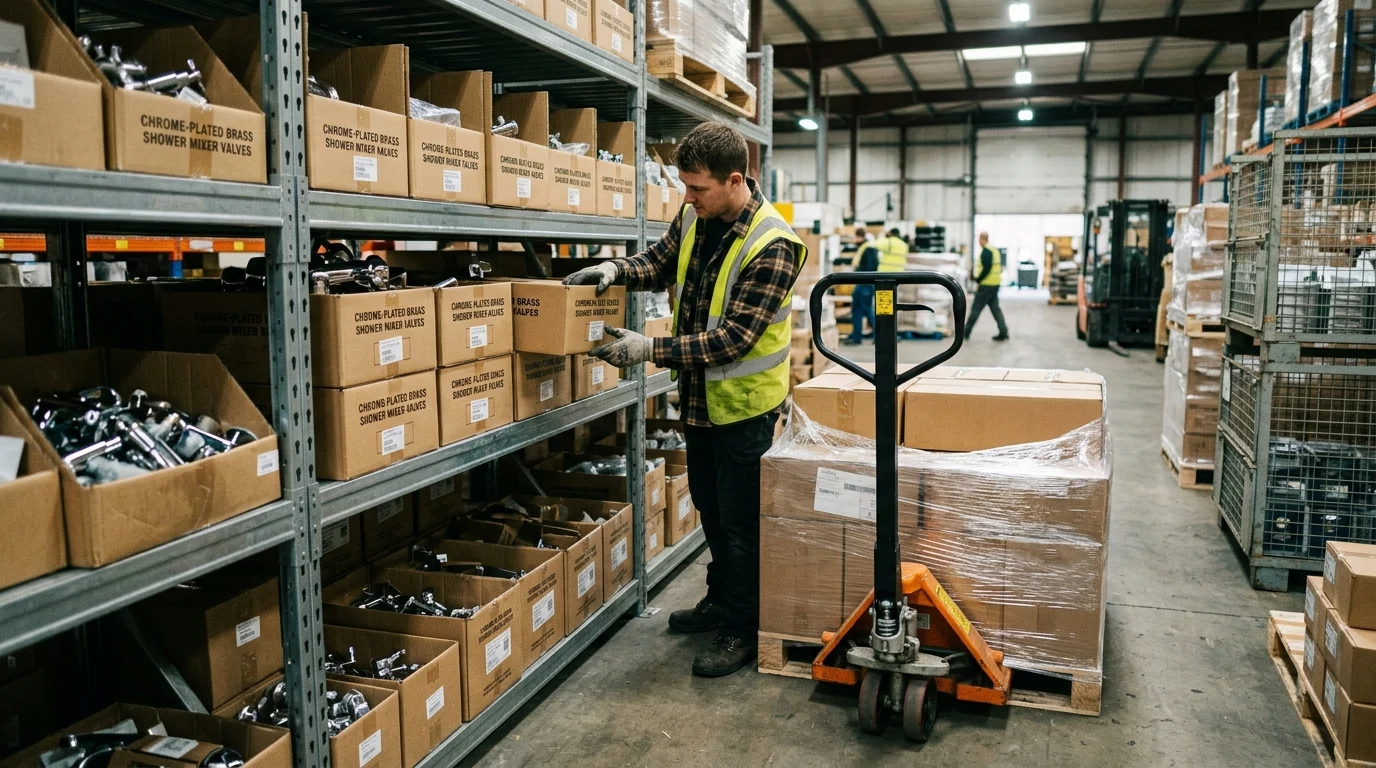
Achieving long-term durability in Bathroom Hardware requires a strategic combination of optimal base material selection and advanced surface engineering. The precise interplay between the metallic substrate and the protective coating dictates the overall resistance to environmental degradation, ensuring that fittings maintain their integrity over years of daily use.
Zinc alloy, brass, and stainless steel compared
Selecting the optimal base material involves balancing structural requirements, manufacturability, and unit economics. Zinc Alloy (specifically the Zamak series) is highly favored in OEM production due to its exceptional die-casting fluidity. This allows for the creation of complex, ergonomic geometries infaucet handlesand Shower Hinges at a lower melting point (approximately 390°C), providing excellent design flexibility and dimensional accuracy. Brass offers superior baseline corrosion resistance and a heavy-duty tactile feel, but at a significantly higher raw material cost. Stainless steel (such as 304 or 316 grade) provides exceptional inherent resistance but presents challenges in machining intricate custom shapes, while aluminum offers a lightweight, cost-effective alternative but requires specialized anodizing to prevent rapid pitting.
| Base Material | Typical Tensile Strength (MPa) | Machinability & Casting | Cost Index (Zinc = 1.0) | Primary Bathroom Application |
|---|---|---|---|---|
| Zinc Alloy (Zamak 3) | 284 | Excellent (Die Casting) | 1.0x | Handles, Hinges, Clamps |
| Brass (C36000) | 338 | Good (Forging/Machining) | ~3.5x | Valve Bodies, Premium Fittings |
| Stainless Steel (304) | 505 | Fair (Machining/Stamping) | ~2.5x | Grab Bars, Structural Rails |
| Aluminum (6061) | 276 | Good (Extrusion/Machining) | ~1.2x | Framing Profiles, Tracks |
Electroplating and PVD coating options
Surface treatments are paramount for sealing the base metal from moisture and chemical ingress. Multi-layer electroplating remains the industry standard for bathroom fittings. A high-quality OEM process typically involves a copper strike for initial adhesion, a thick acid copper layer to level the surface, a nickel layer (10-20 µm) acting as the primary anti-corrosion barrier, and a final chromium layer (0.2-0.5 µm) for surface hardness and cosmetic brilliance.
For premium applications requiring customized finishes like brushed gold or matte black, Physical Vapor Deposition (PVD) offers exceptional durability, with coatings often demonstrating 240-hour NSS resistance. PVD coatings deposit a thin film of titanium or zirconium nitride in a vacuum chamber, bonding at the molecular level. This process yields a surface hardness exceeding 2000 HV (Vickers), making the fitting highly resistant to both chemical attack and the abrasive wear resulting from daily cleaning routines. However, it is vital to note that advanced PVD or electroplating cannot fully compensate for internal porosity in poorly cast Zinc Alloys. If the substrate is flawed, even premium coatings will eventually blister.
How to Evaluate OEM Suppliers for Corrosion Resistance
Sourcing reliable bathroom fittings requires evaluating an OEM partner's entire manufacturing ecosystem. A capable supplier must demonstrate stringent process controls, from raw material ingot inspection to final packaging, ensuring that every shower door handle, hinge, or bracket meets exacting international standards for longevity and performance. Furthermore, compliance with regional regulatory requirements—such as lead-free brass mandates, California Proposition 65, or EU REACH restrictions—is a critical sourcing criterion that affects material legality for importers and distributors.
Material inspection and quality-control standards
Rigorous testing protocols are non-negotiable for verifying corrosion resistance before mass production begins. Professional OEM manufacturers rely on the Neutral Salt Spray (NSS) test, standardized under ISO 9227 or ASTM B117, to simulate accelerated long-term environmental exposure. High-quality bathroom fittings should consistently withstand at least 96 to 144 hours of continuous salt spray without exhibiting surface defects.
Key Takeaways
- Specify corrosion-resistant fittings for bathrooms where relative humidity can exceed 90% during daily shower use.
- Choose hardware designed to withstand temperature cycling between about 20°C and 40°C without coating breakdown.
- Avoid mixed-metal contact between hinges, fasteners, and clamps to reduce galvanic corrosion in wet installations.
- Use robust plating or passivation because acidic cleaners near pH 2.0 and alkaline disinfectants near pH 12.0 can attack weak finishes.
- Pay close attention to shower hinges supporting 10mm or 12mm tempered glass, as internal corrosion can compromise load-bearing safety.
Frequently Asked Questions
Why do bathroom fittings corrode faster than other indoor hardware?
Bathrooms combine high humidity, water vapor, temperature swings, and chemical cleaners. These conditions accelerate oxidation, especially when coatings are thin, damaged, or poorly matched to the base metal.
Which bathroom fittings are most affected by corrosion?
Shower hinges, glass clamps, faucet handles, and door handles are especially vulnerable because they face frequent water exposure and mechanical stress, particularly in shower enclosures.
How does corrosion affect frameless shower enclosures?
Corrosion can weaken hinge pins, fasteners, and load-bearing components that support 10mm or 12mm tempered glass doors, creating both performance and safety risks.
What cleaning chemicals increase corrosion risk?
Acidic descalers around pH 2.0 and alkaline bleach-based cleaners around pH 12.0 can strip weak coatings or damage passivation layers, exposing the metal beneath.
Why is mixed-metal contact a problem in shower hardware?
When dissimilar metals touch in a wet environment, galvanic corrosion can occur. This is common around fasteners, hinges, and threaded holes if materials are not properly specified.